The goldsmith
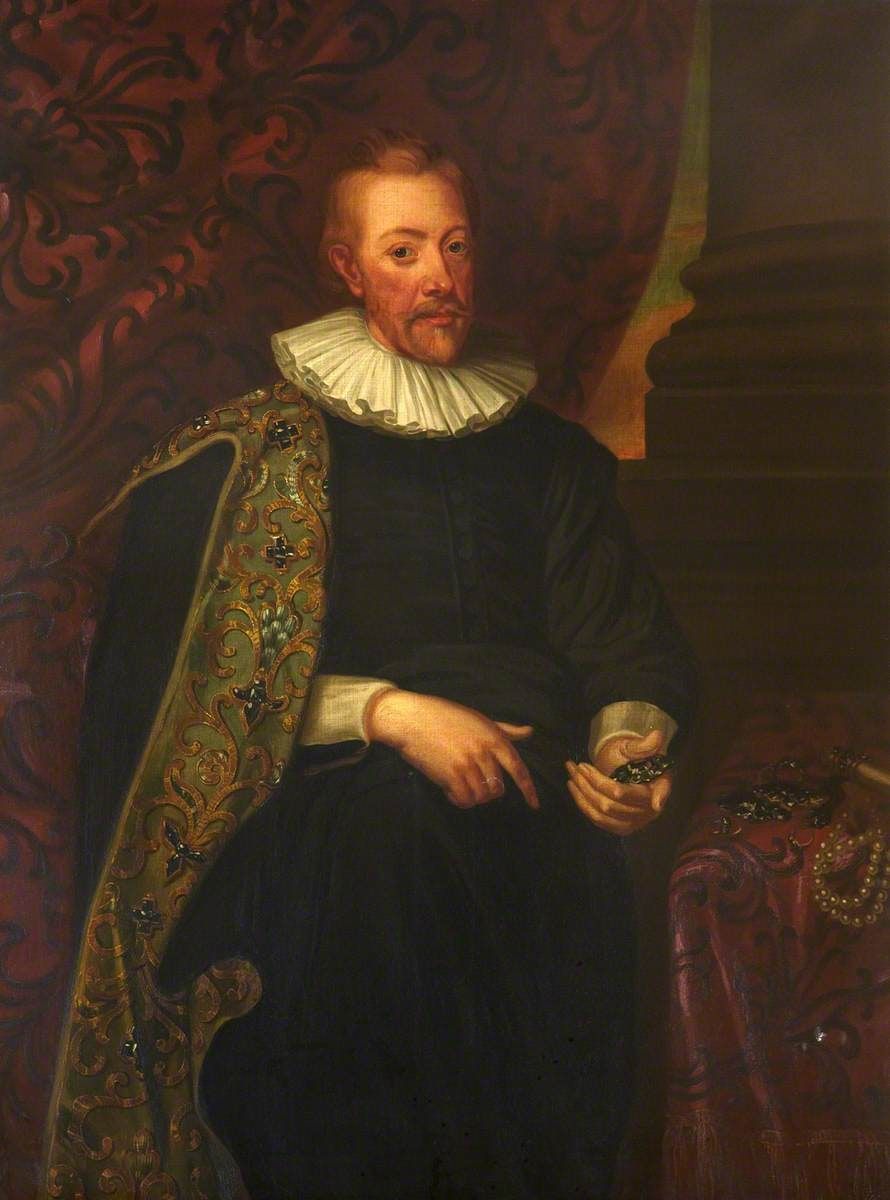
George Heriot was born in Edinburgh in June 1563, the eldest of
the ten children of a goldsmith of the same name, and was brought
up to his father’s trade. In 1586, with fifteen hundred merks from
his father, he set up on his own account in a small booth beside
St Giles, roughly where the entrance to the Signet Library now
stands, and by 1593 he had risen to be deacon of the Incorporation
of Goldsmiths.
At court
In 1597 he was appointed goldsmith to Anne of Denmark, the queen
consort, and in 1601 jeweller to James VI himself. The
appointments made his fortune, for the royal couple’s appetite for
jewels ran far ahead of their means, and Heriot was as much their
banker as their jeweller, advancing large sums against the pieces
he made and holding the queen’s jewels as security. It was at
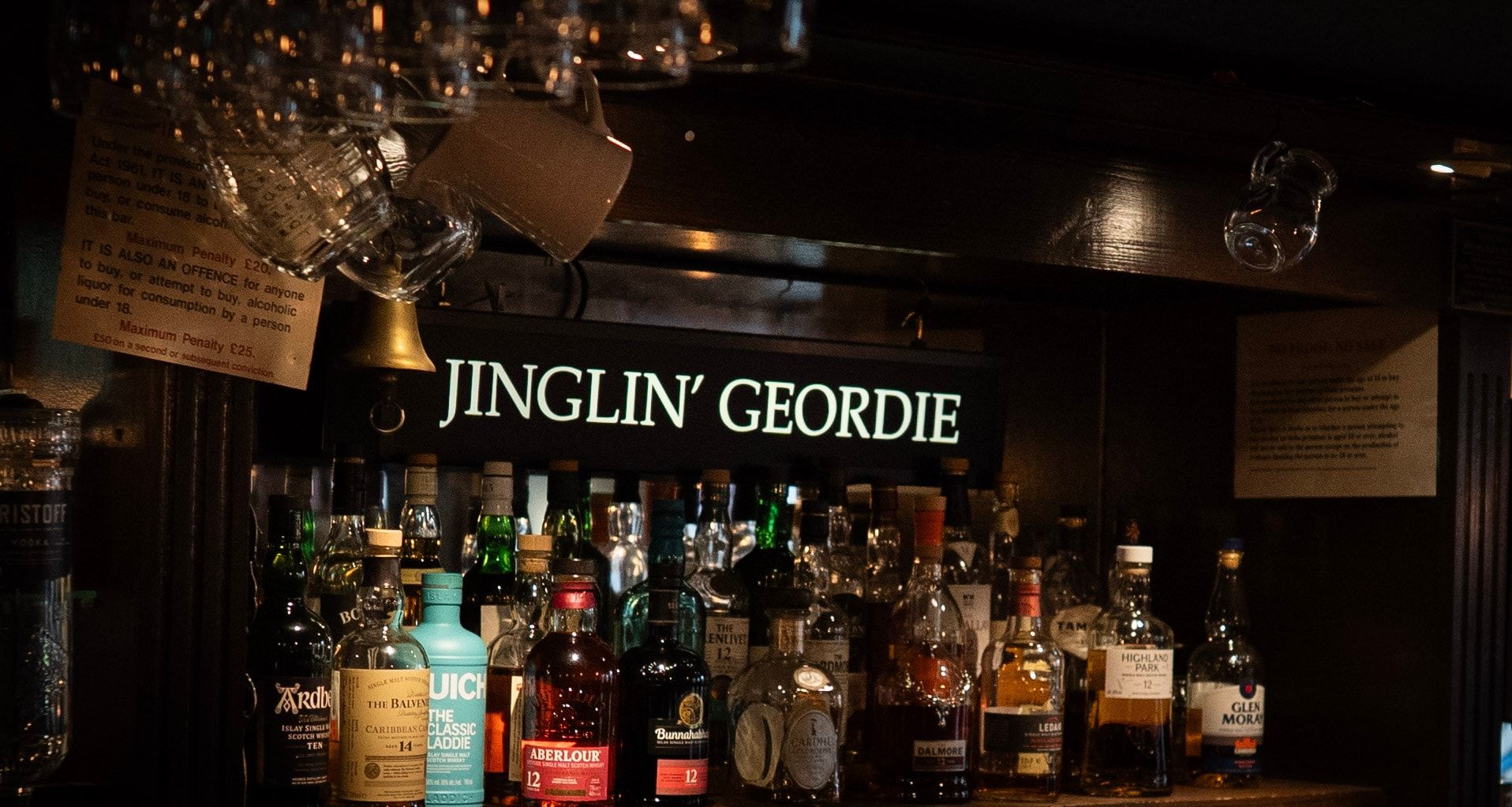
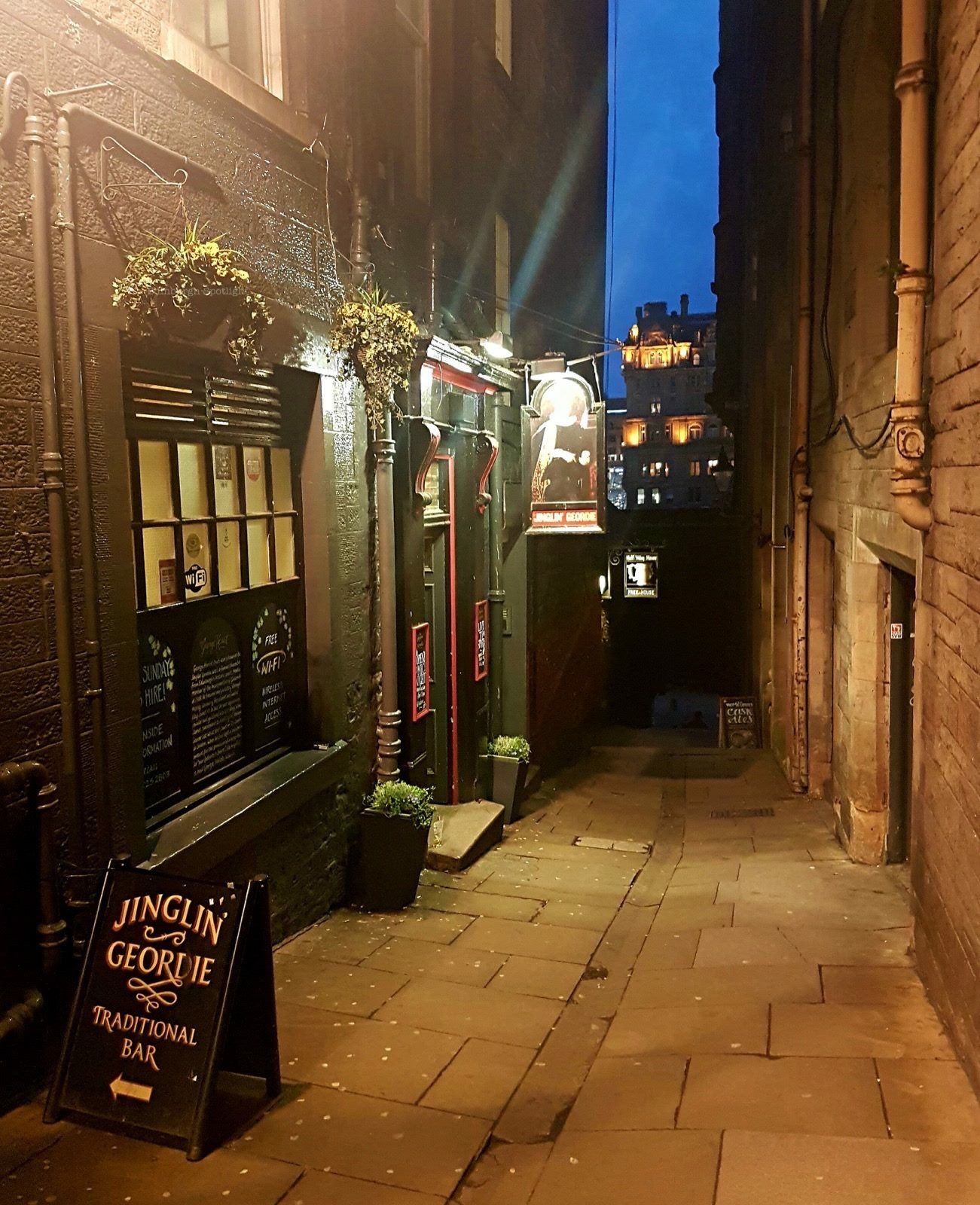
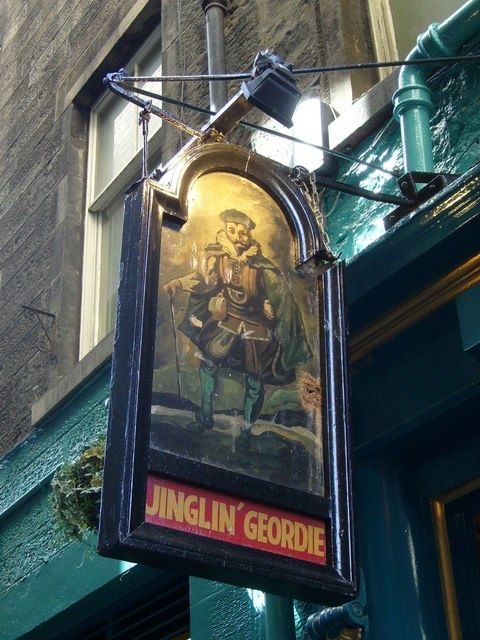
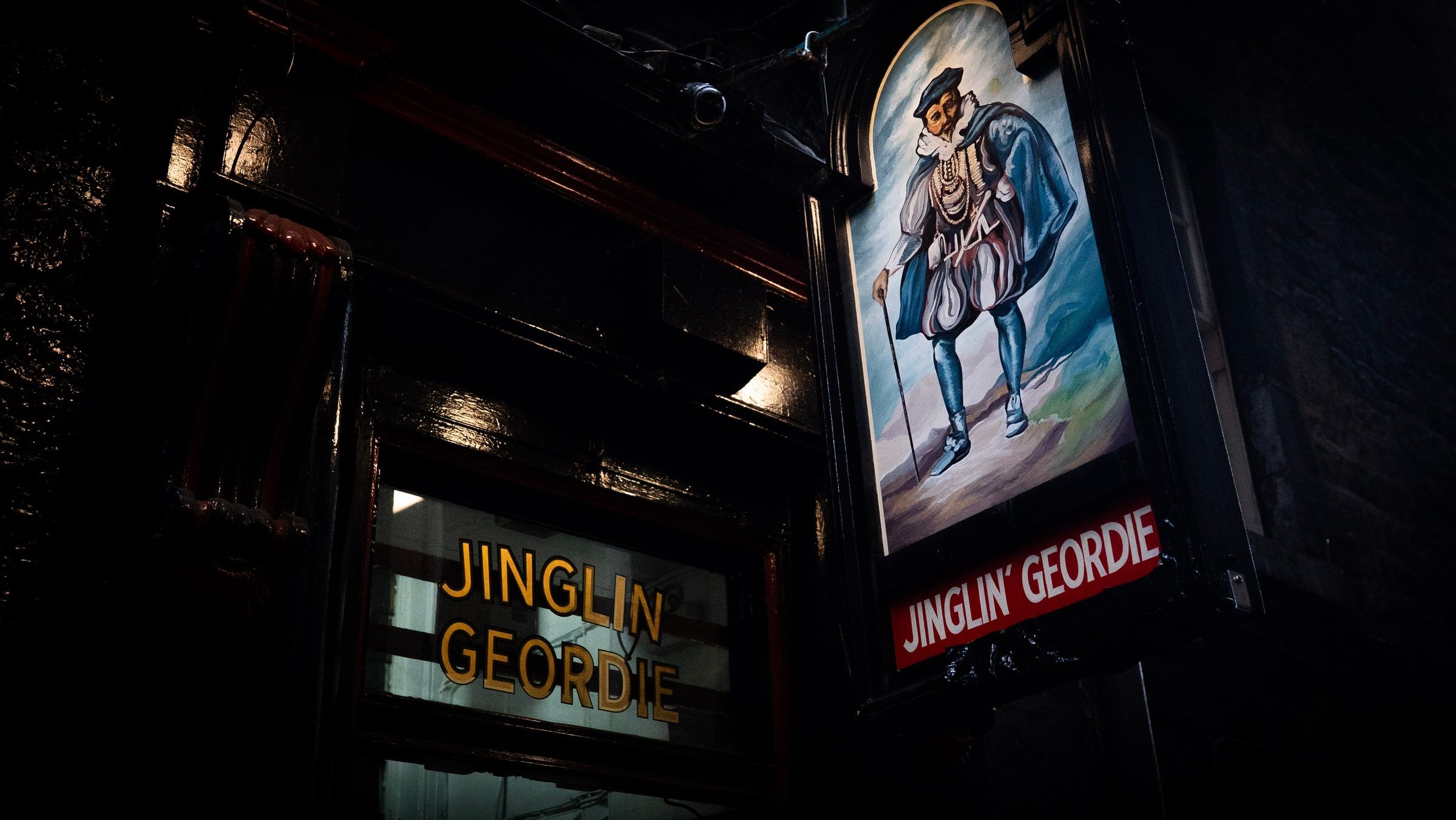
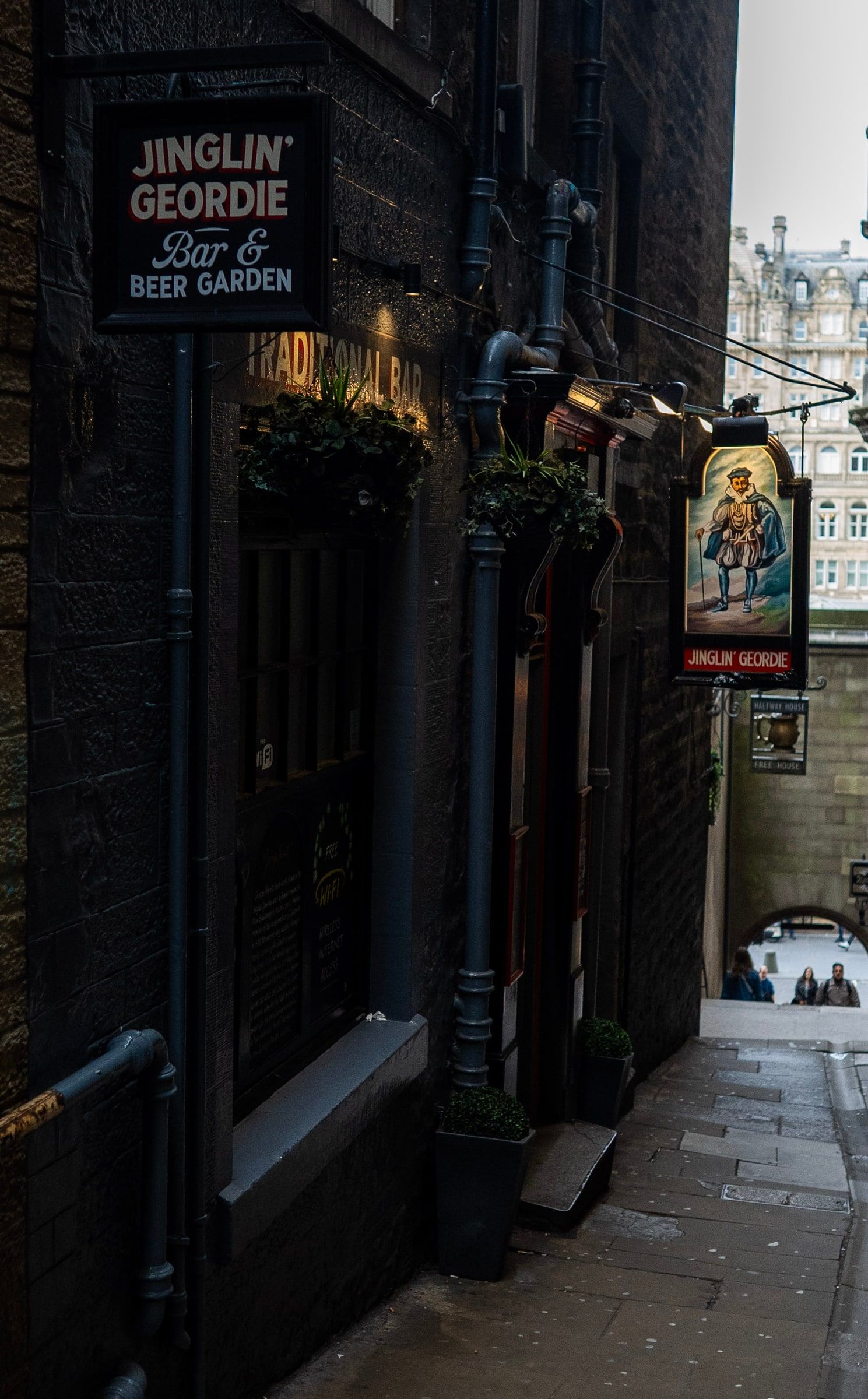
court that he acquired the nickname Jingling Geordie, from the
coins he was said to carry about him.
The close
His first marriage, to Christian Marjoribanks, the daughter of an
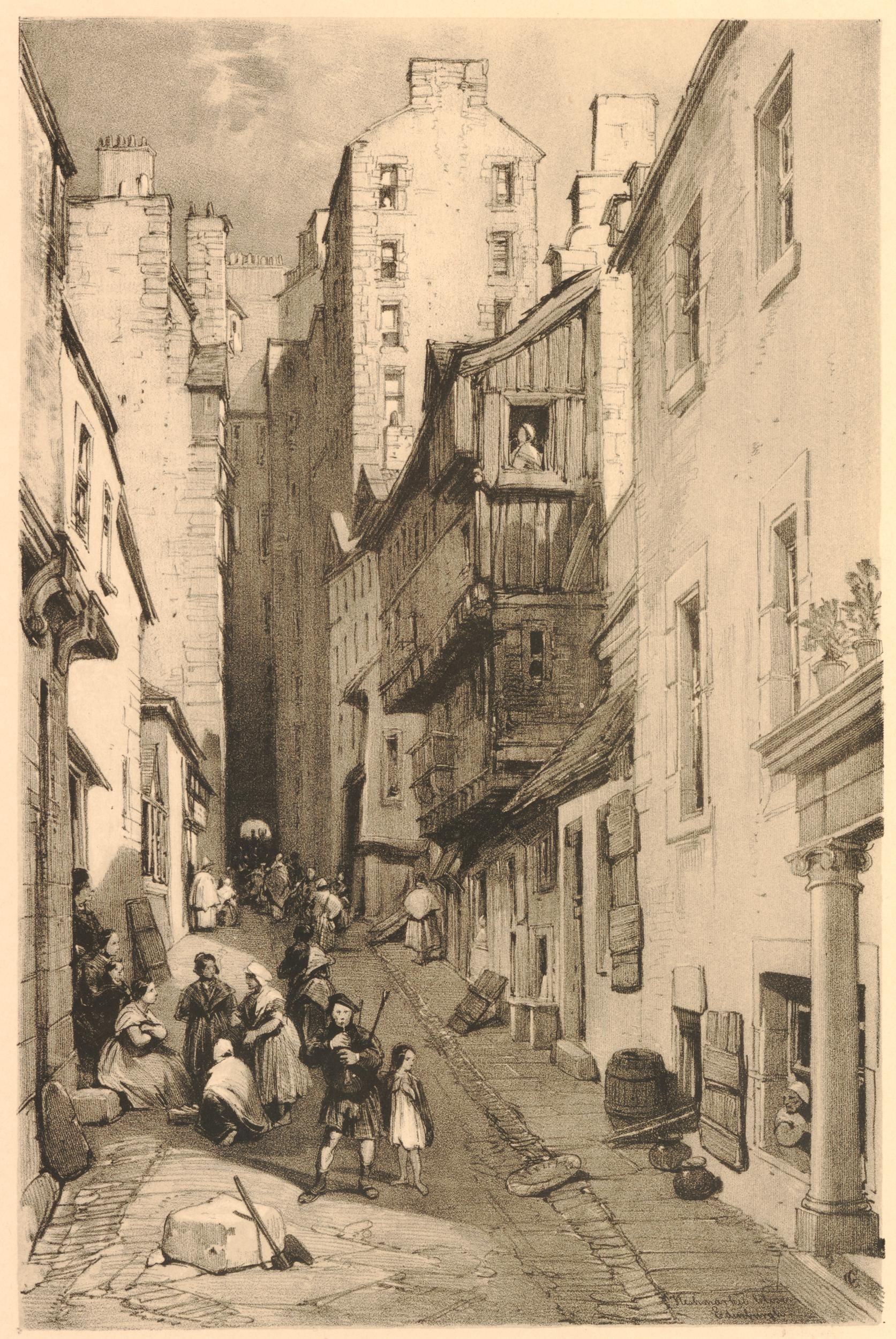
Edinburgh merchant, was made in 1586, and it is in these years
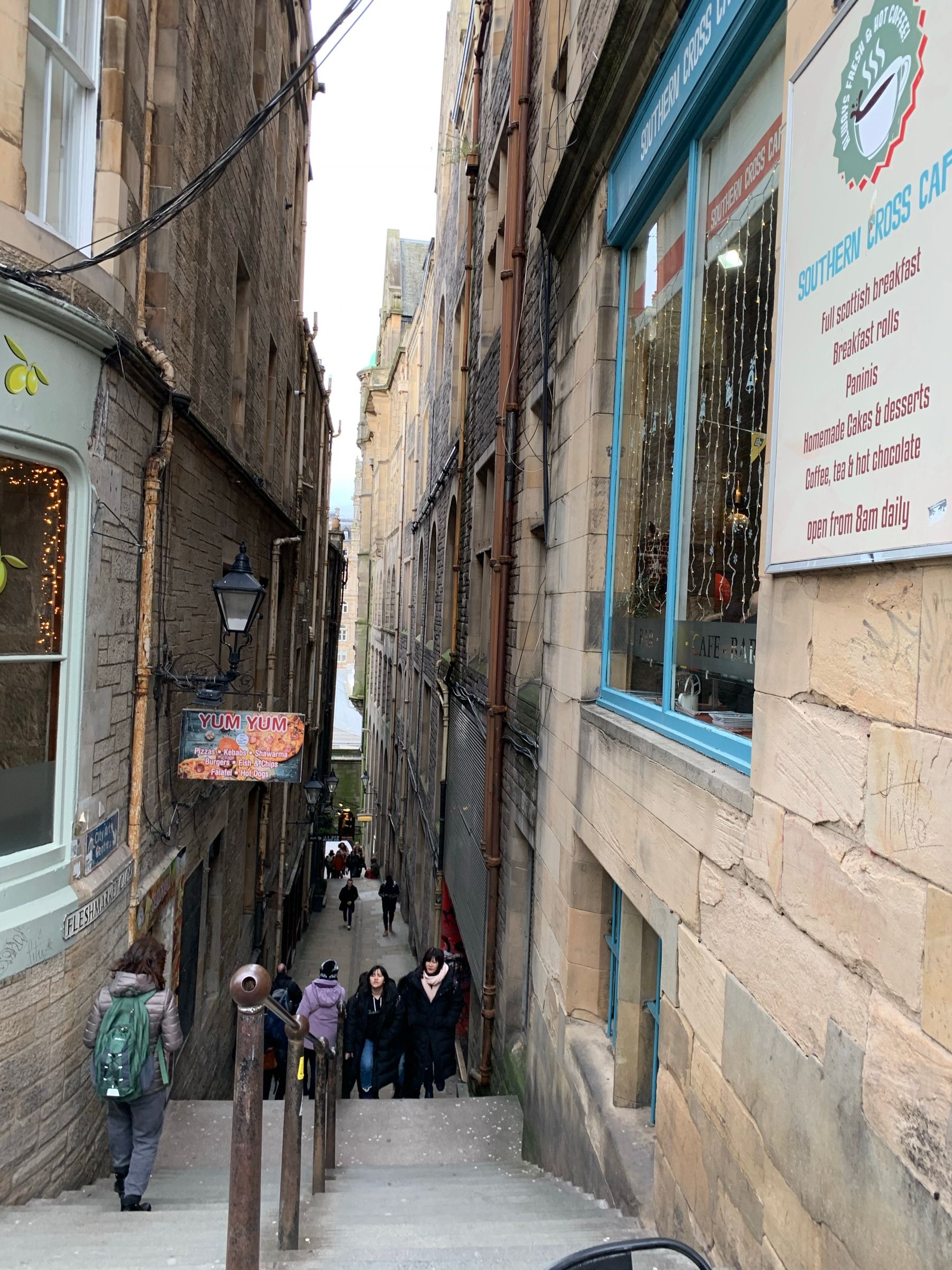
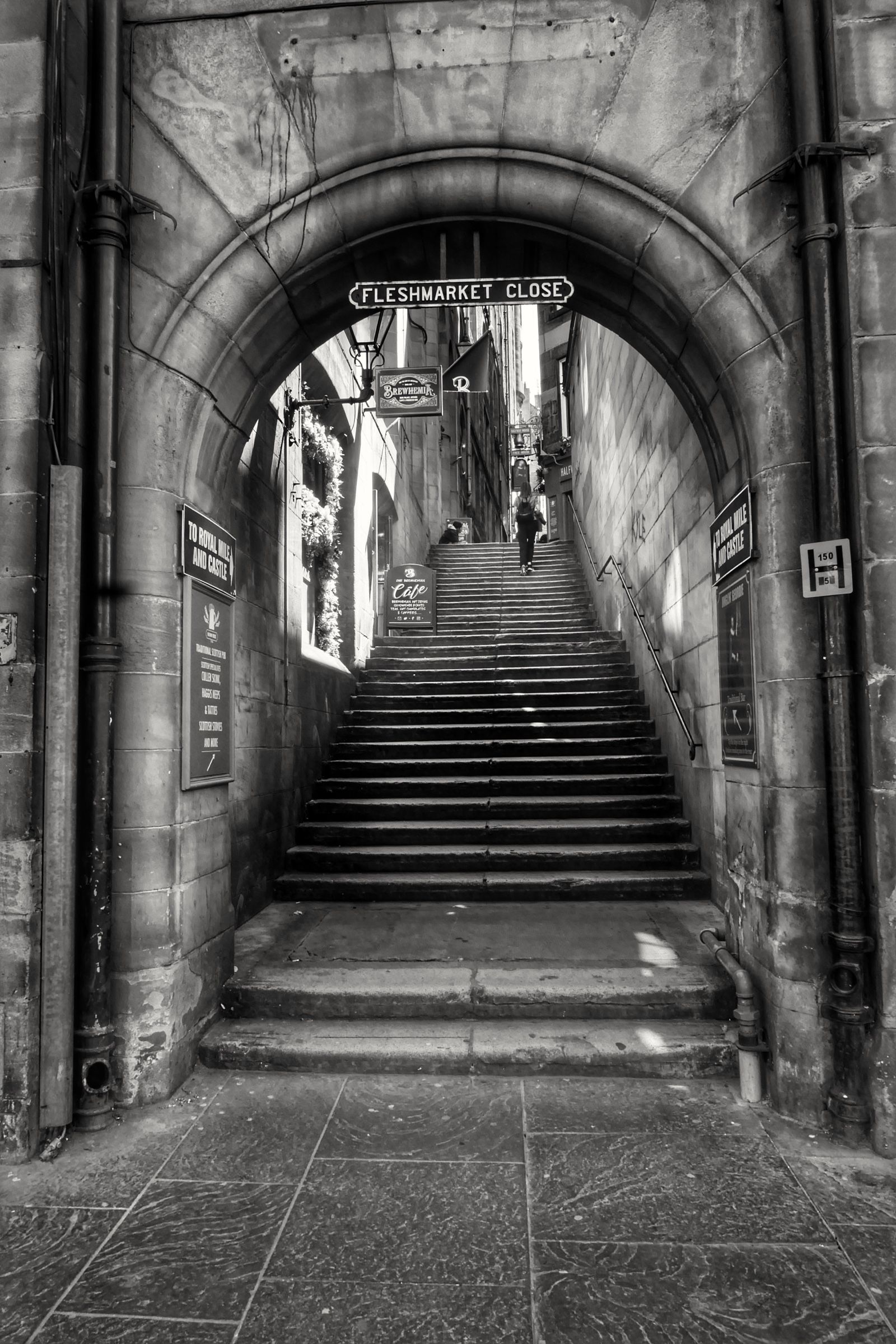
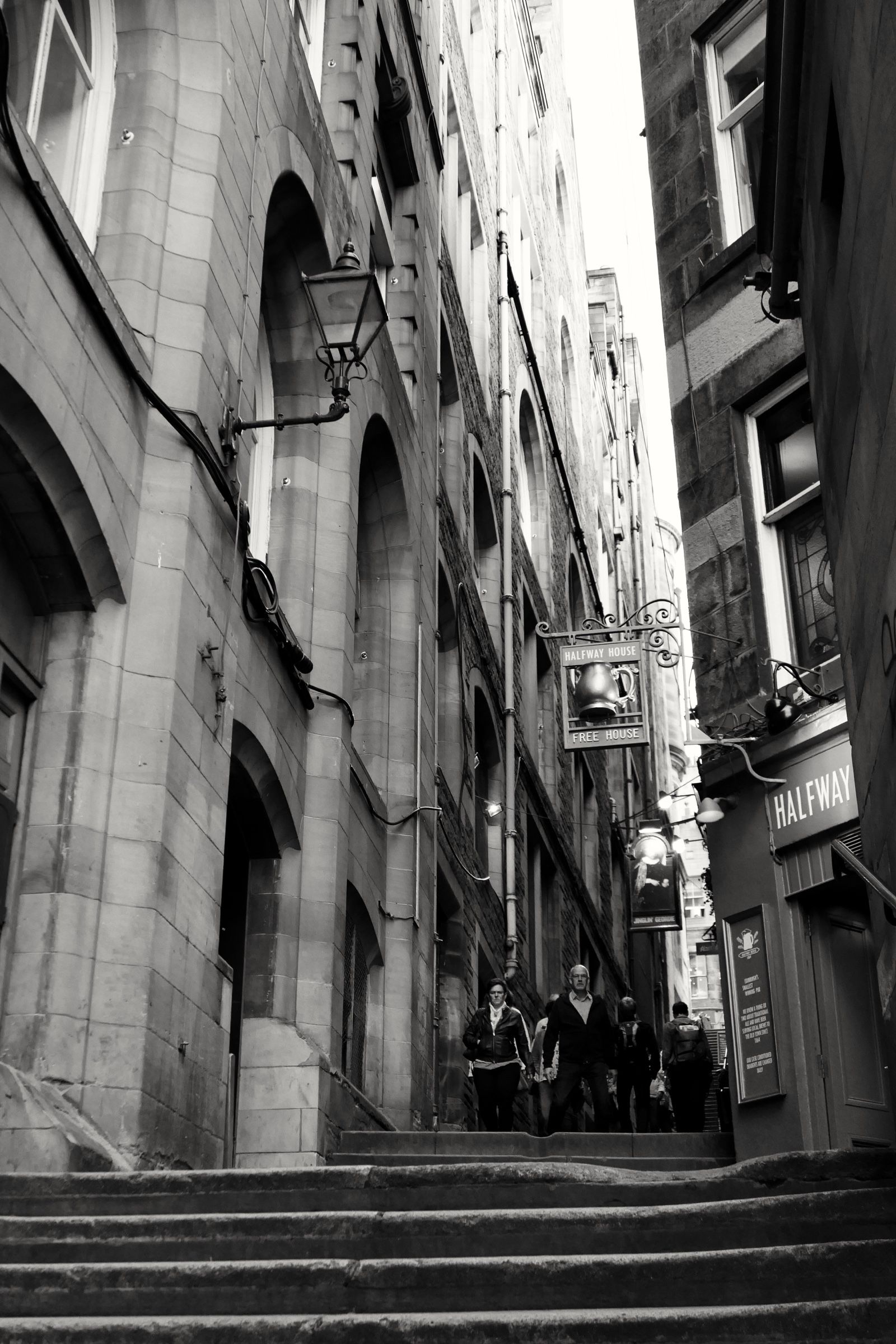
that he is said to have lived on Fleshmarket Close. The marriage
produced two sons, both of whom died in childhood, and Christian
herself died a few years later. When James succeeded to the
English throne in 1603 Heriot followed the court south to London,
where he kept a house on the Strand, though he returned to
Edinburgh in 1609 to marry Alison Primrose, who died only three
years afterwards.
The bequest
Heriot died in London in February 1624, at the age of sixty,
having outlived both his wives and all of his children. Under his
will, after legacies to his relations, the residue of his estate,
a little over twenty-three thousand pounds sterling and an
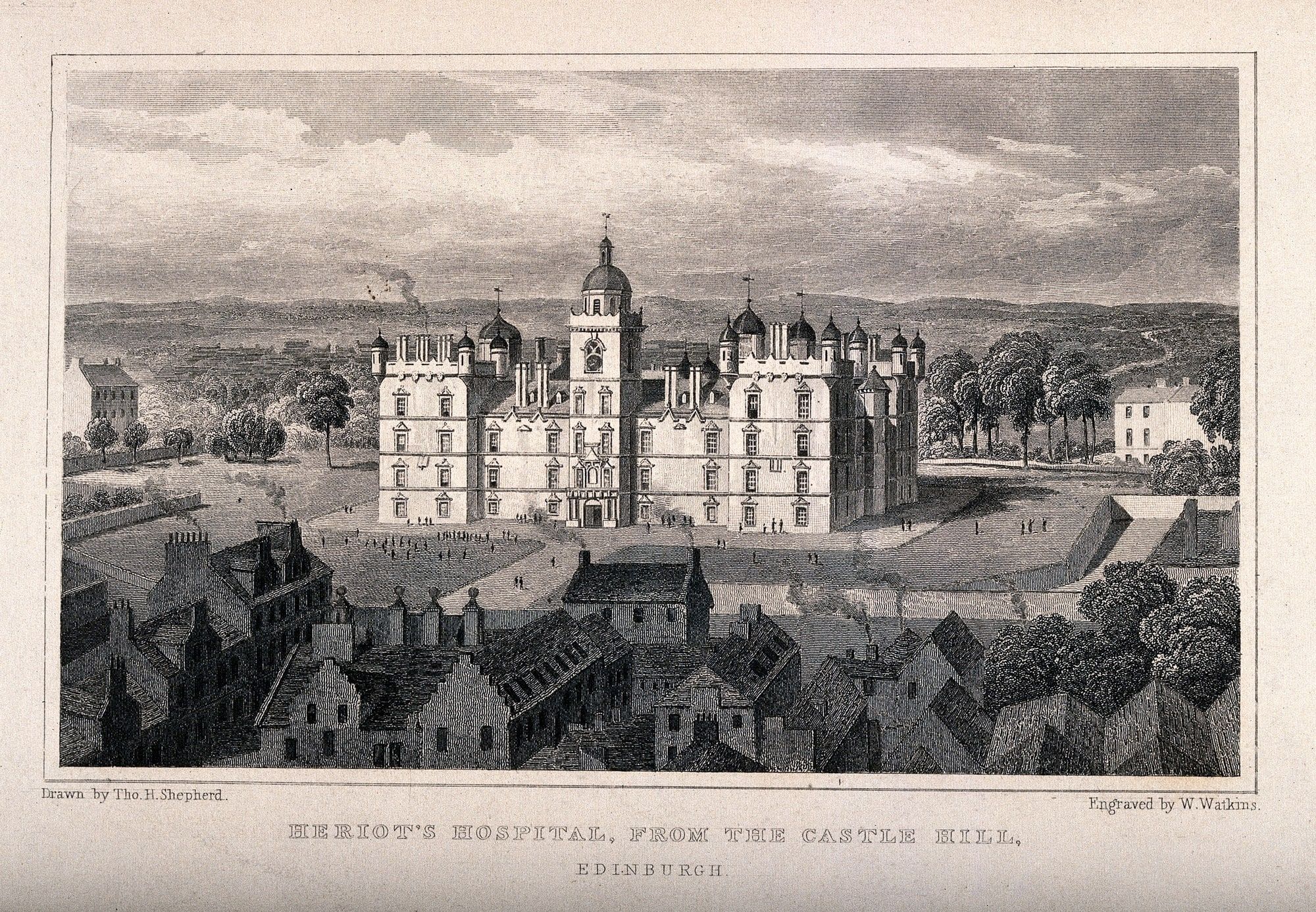
enormous sum for the time, was left to the town council and
ministers of Edinburgh to found a hospital for the maintenance and
education of the “puir, faitherless bairns” of the burgesses of
the town, on the model of Christ’s Hospital in London, which he
had come to know during his years in the south.